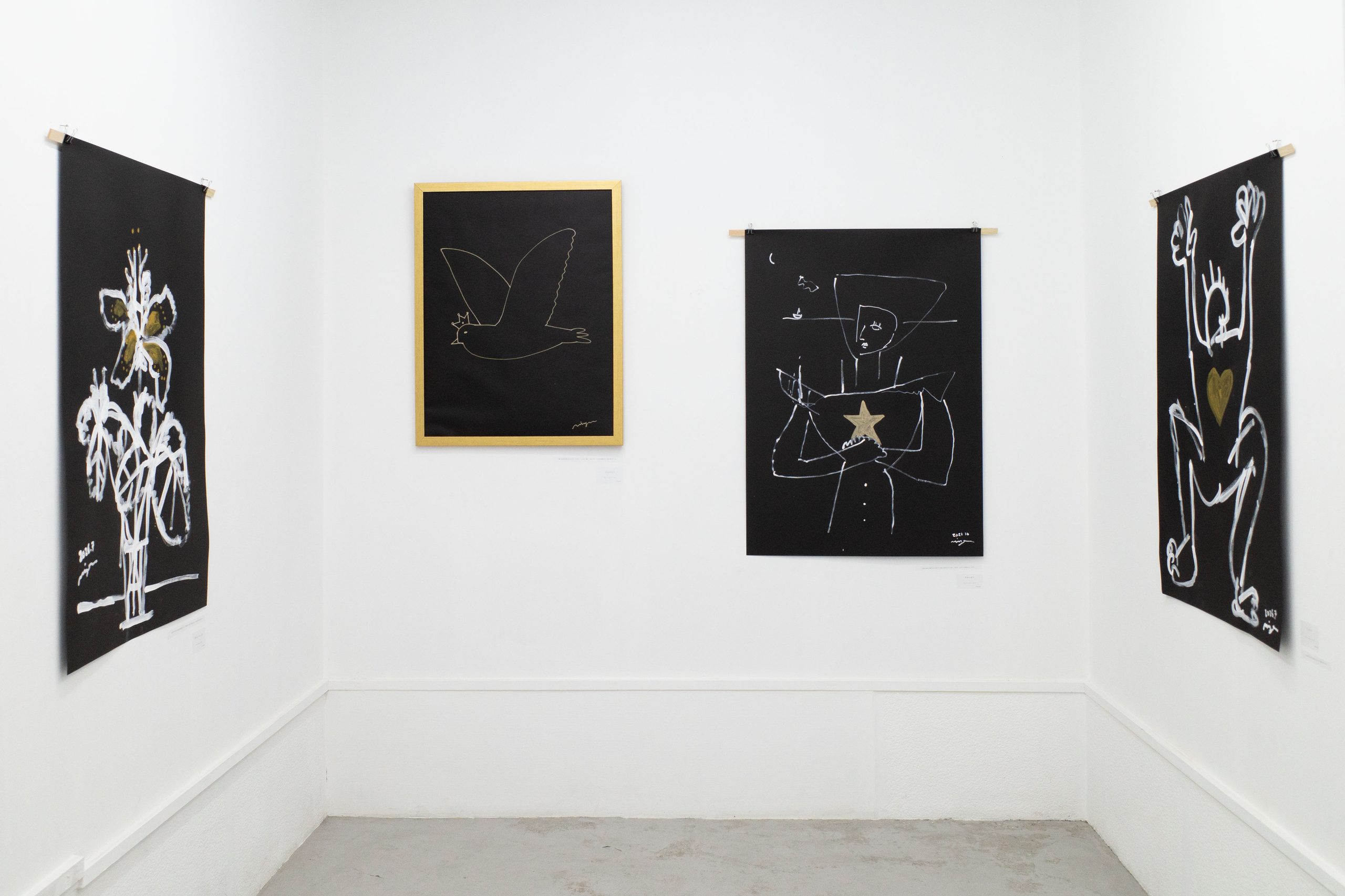
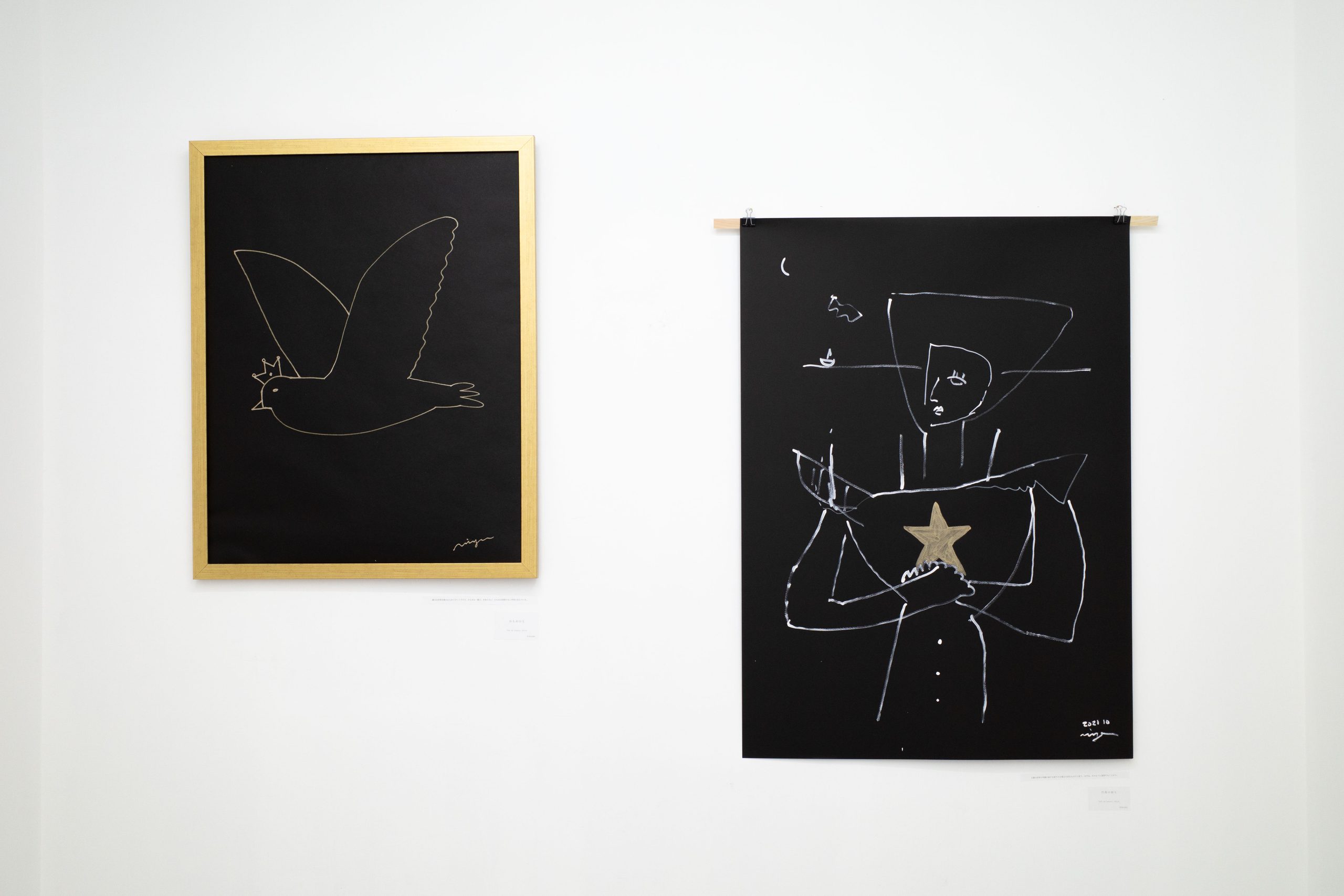
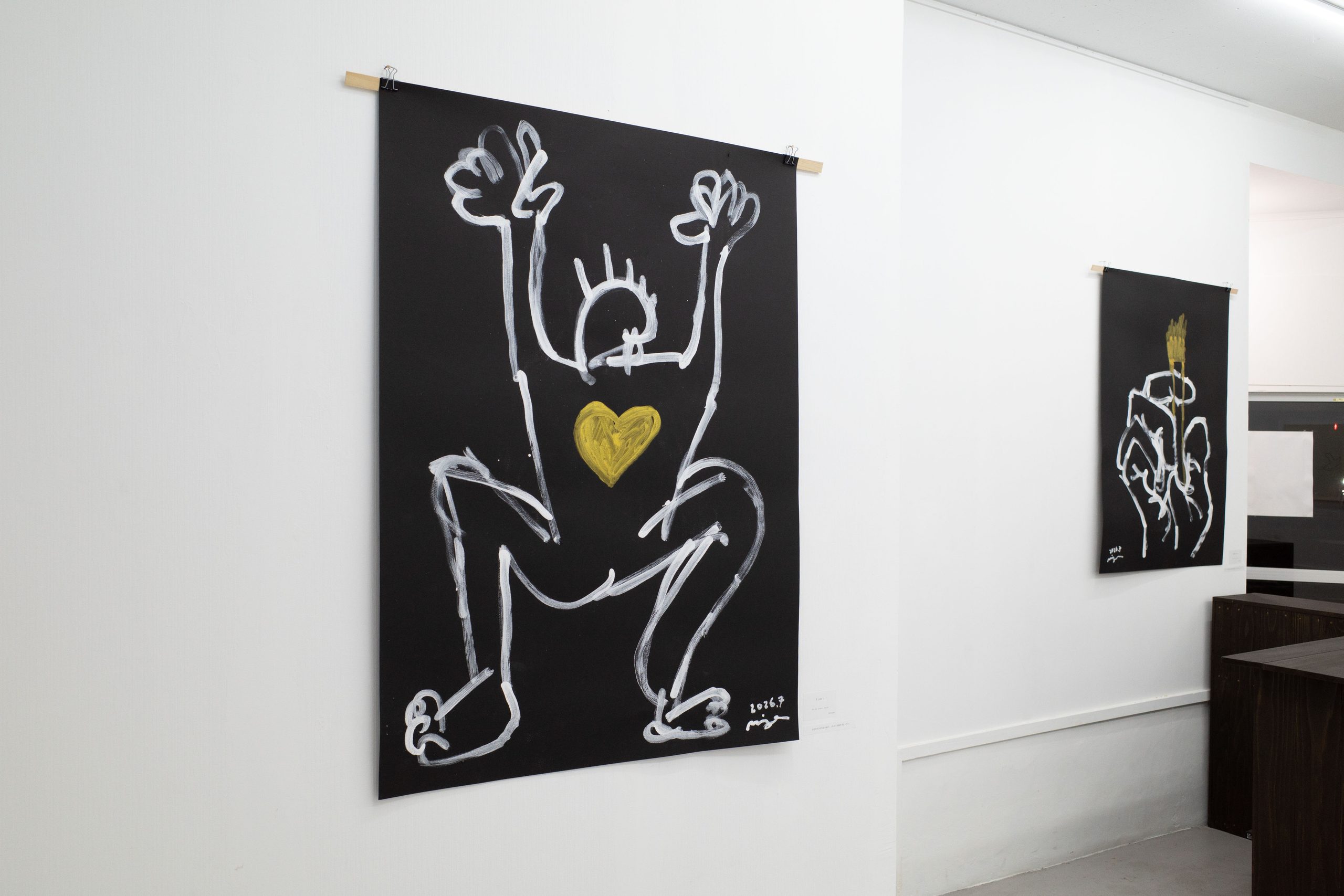
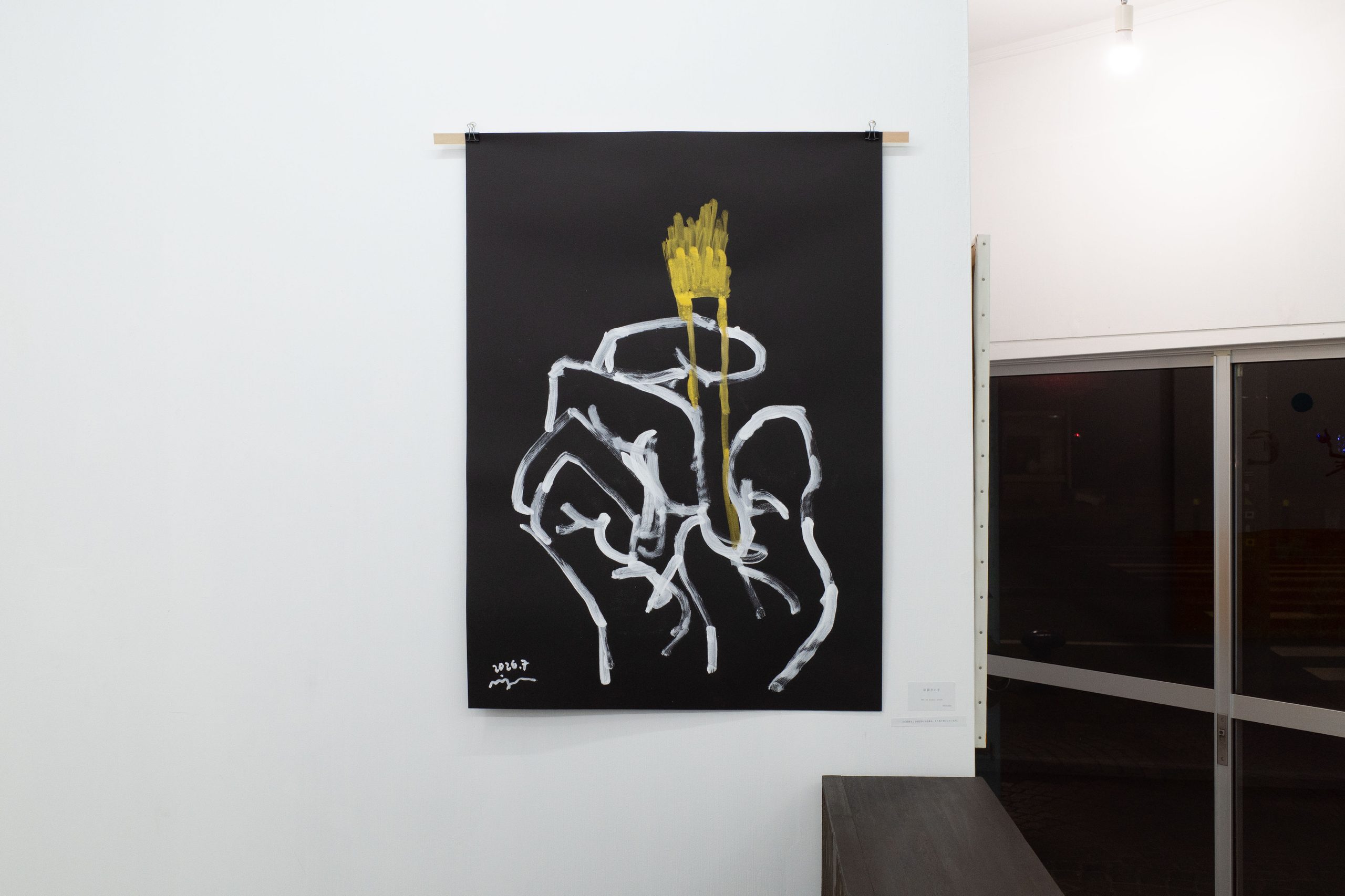
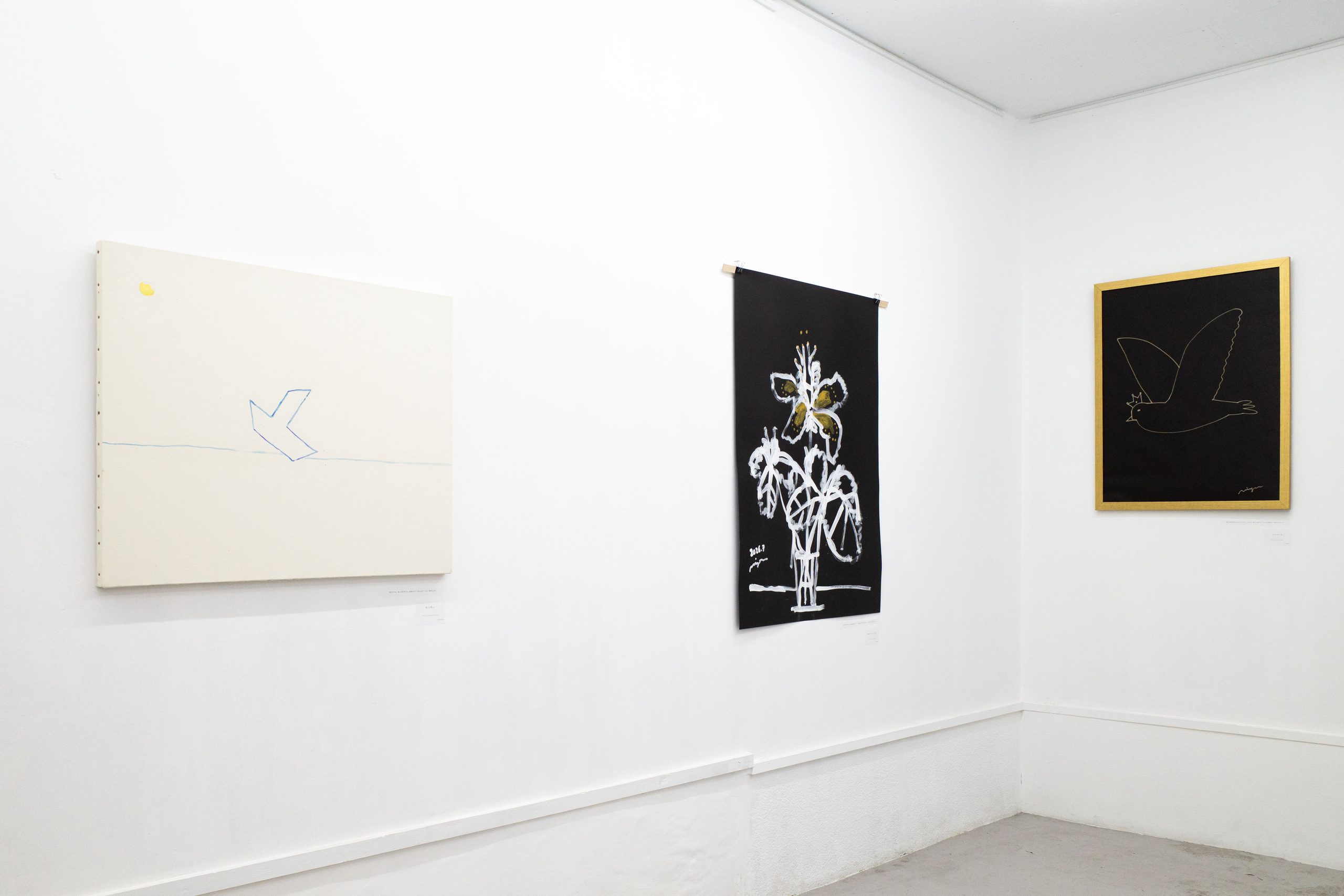
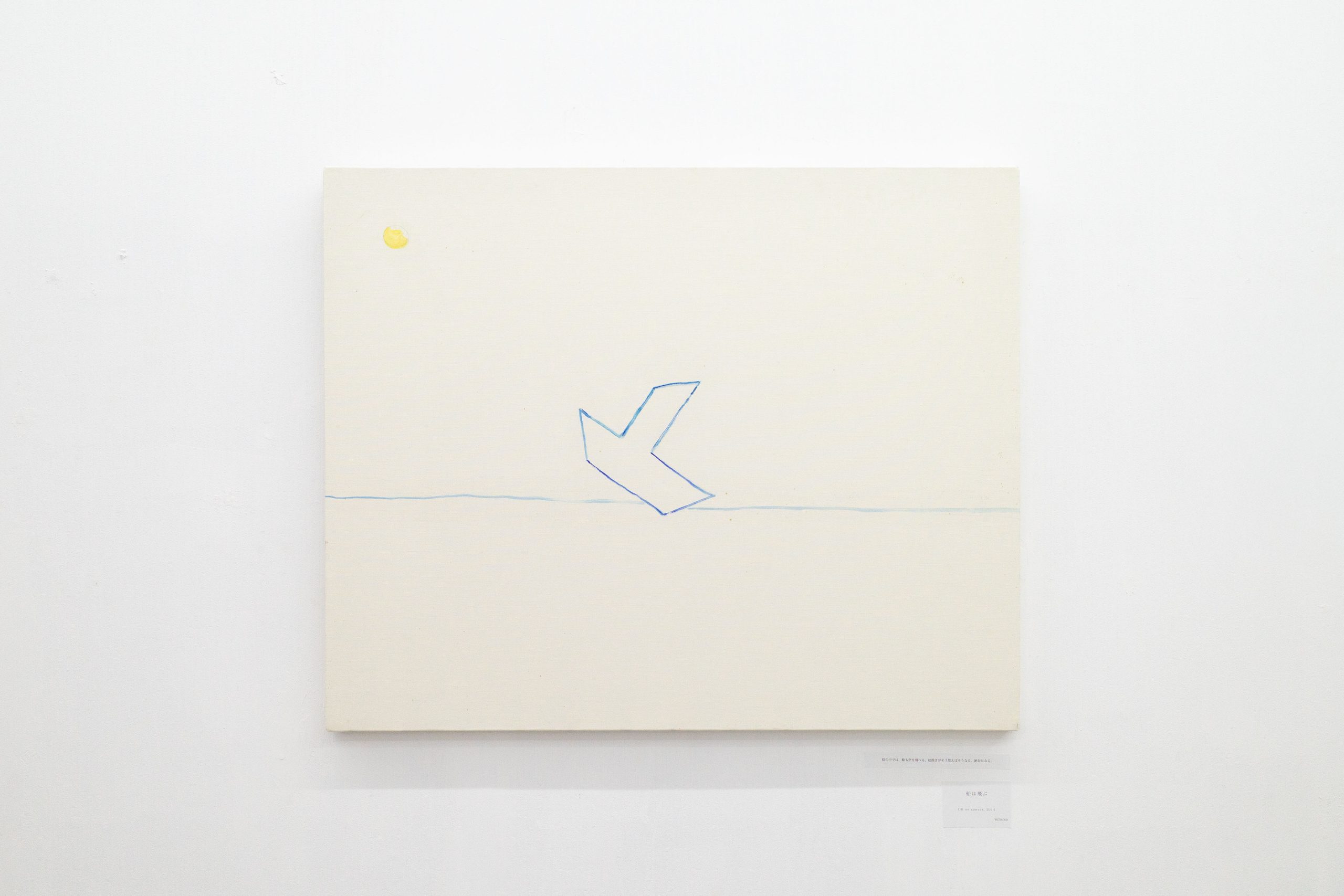
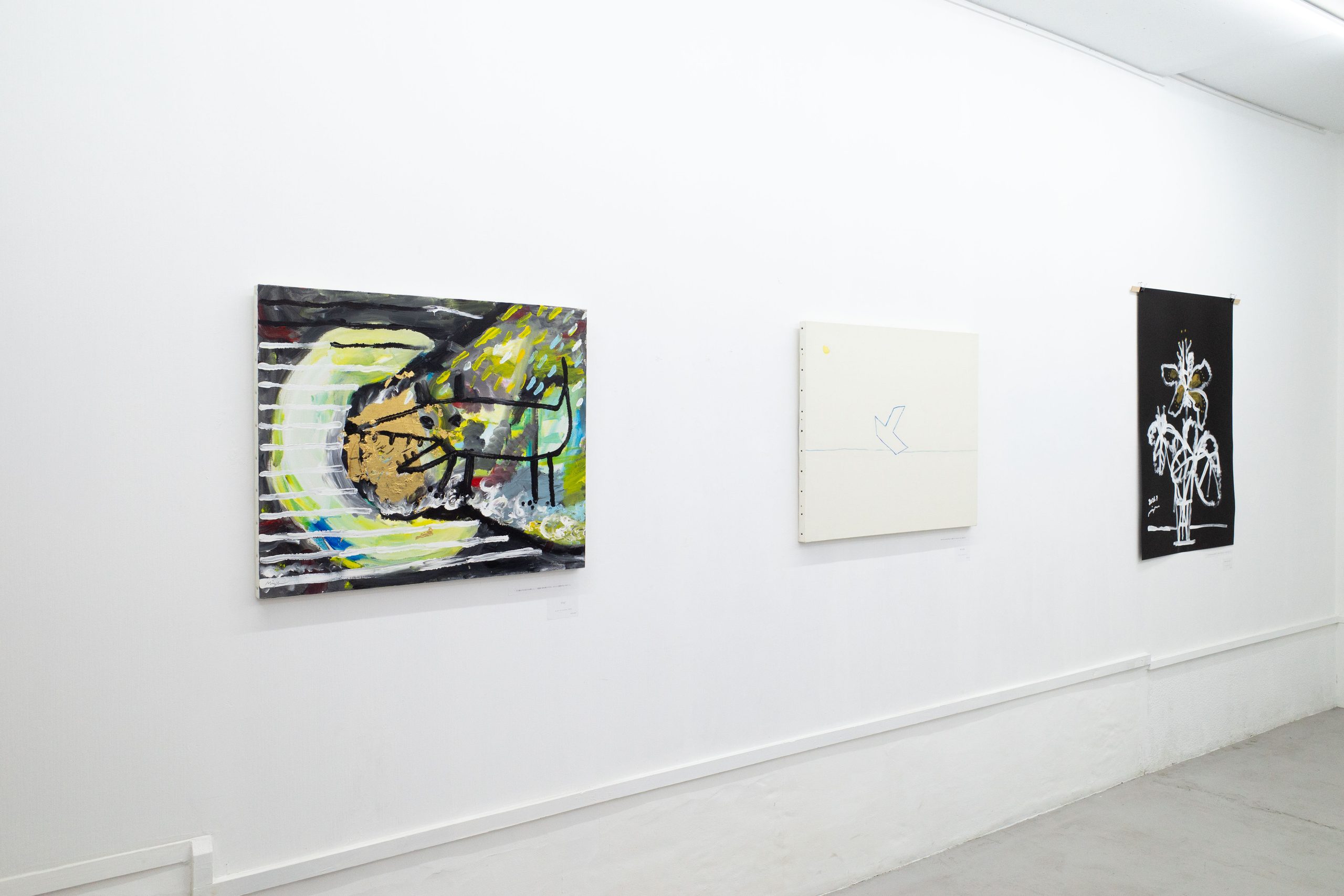
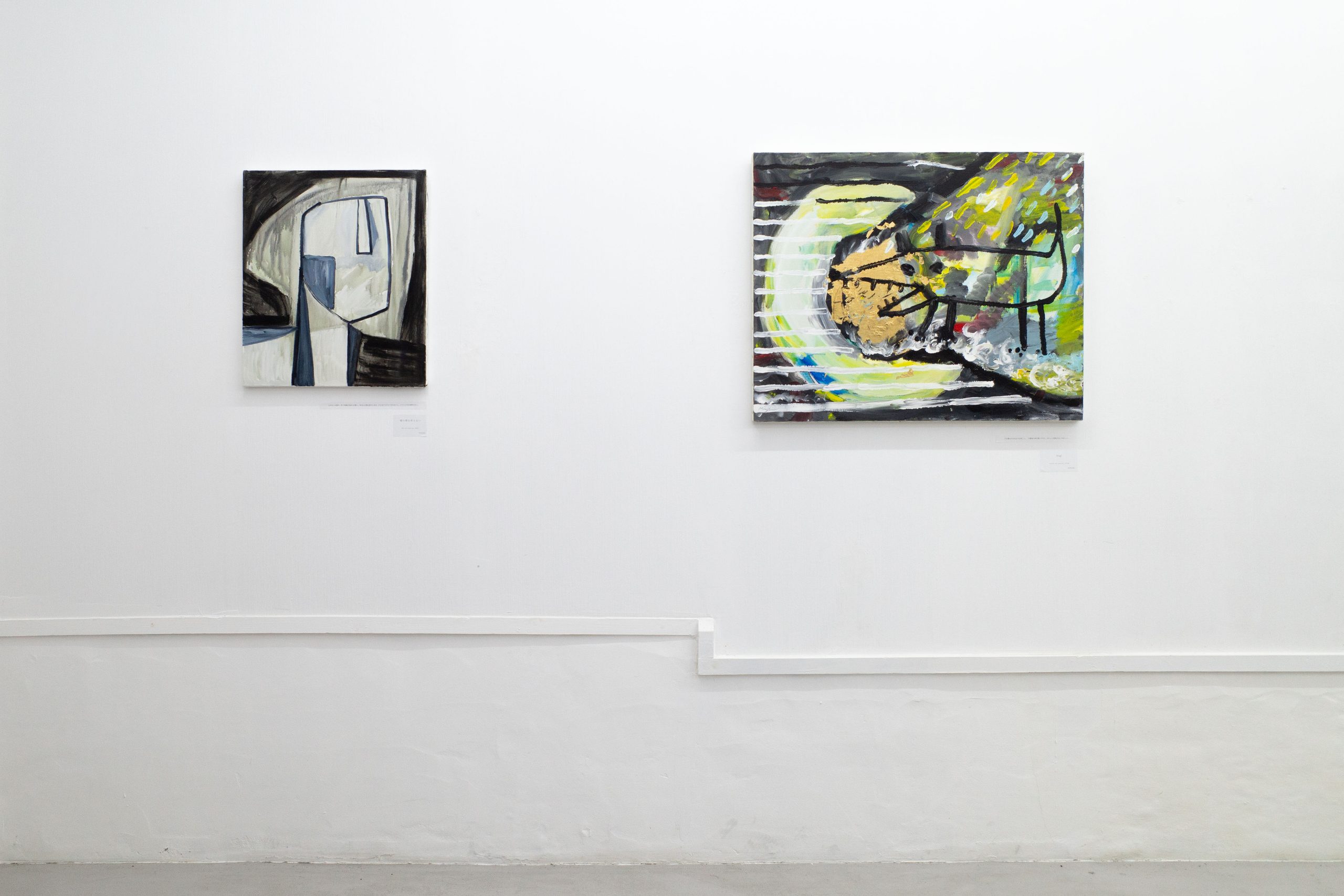
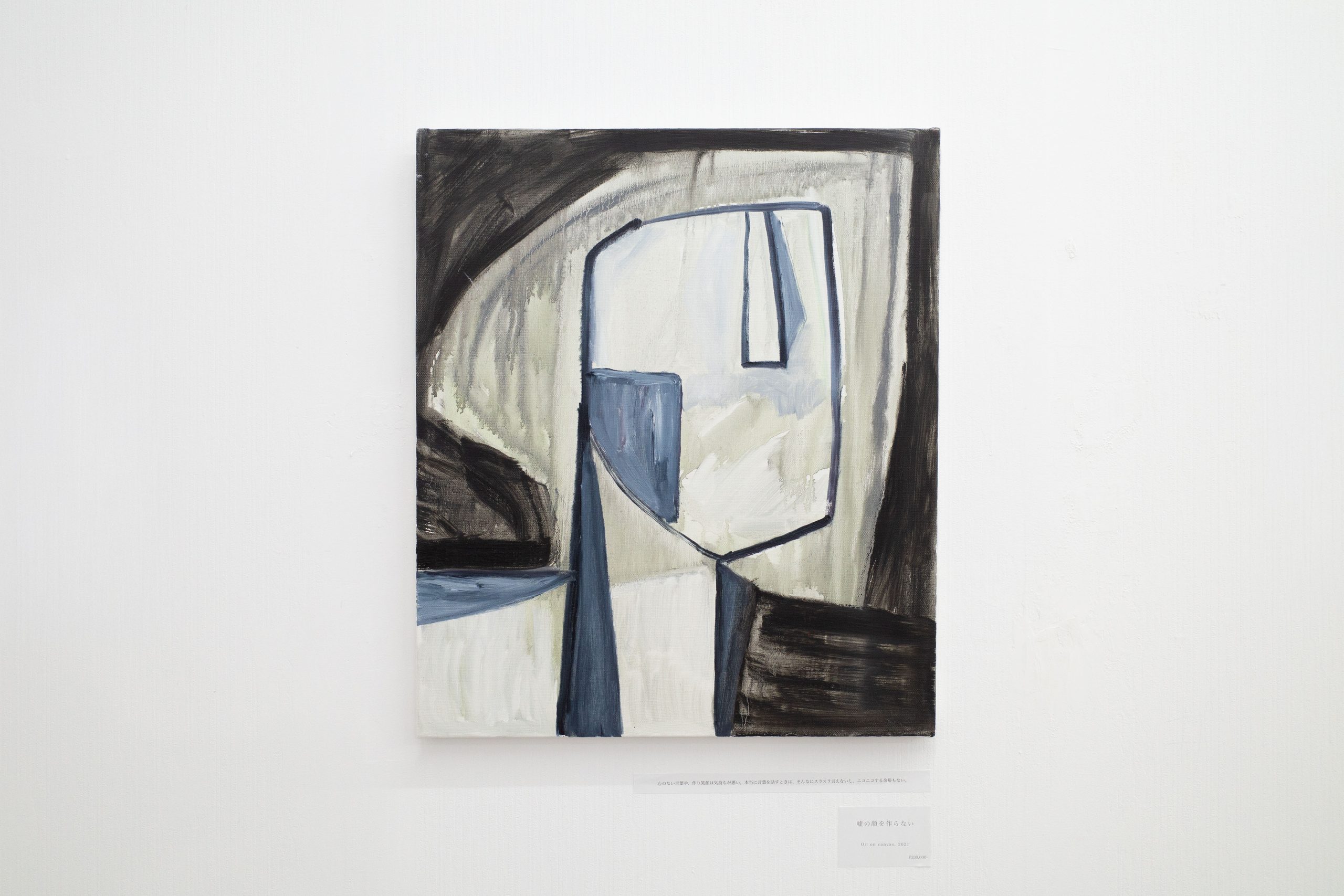
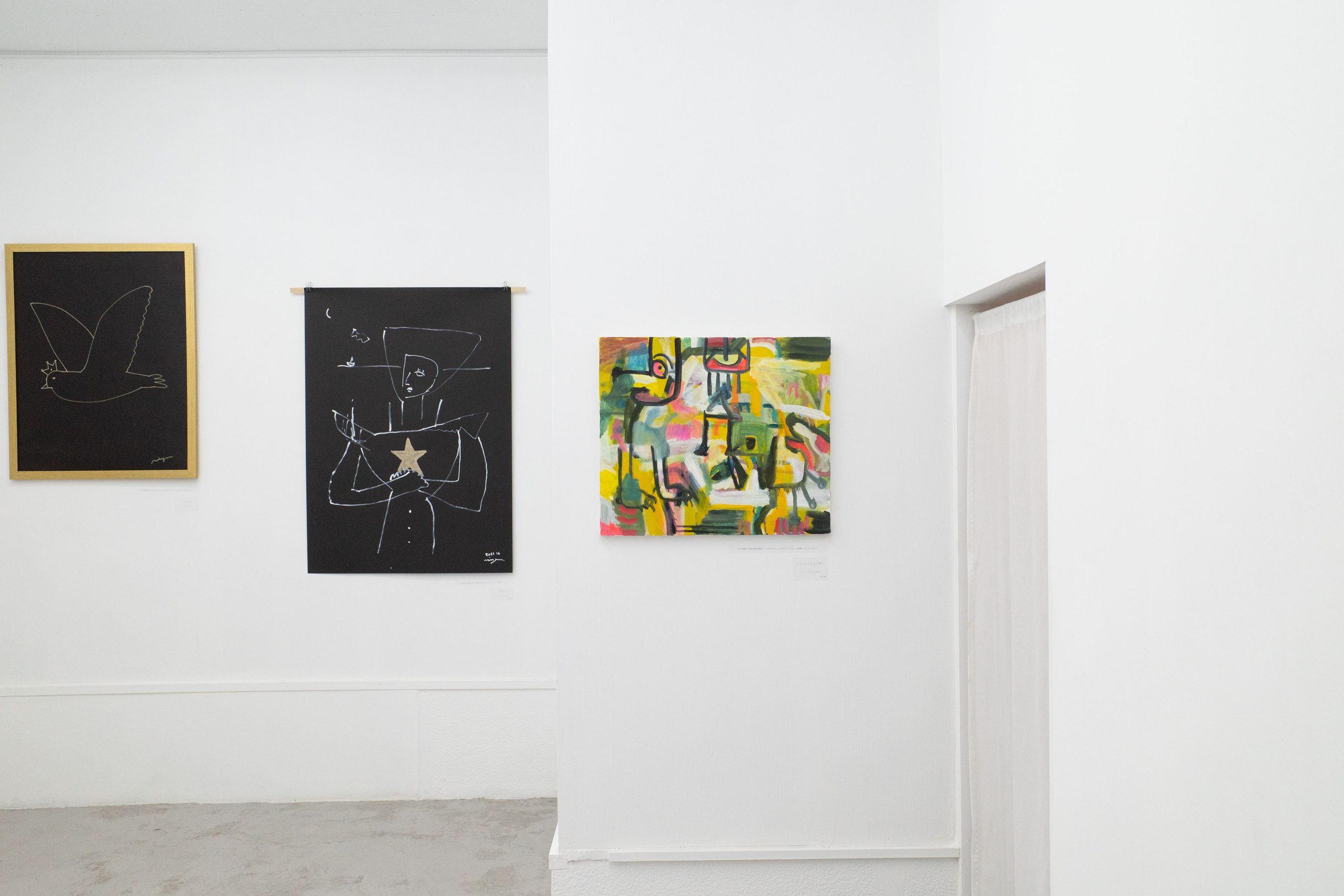
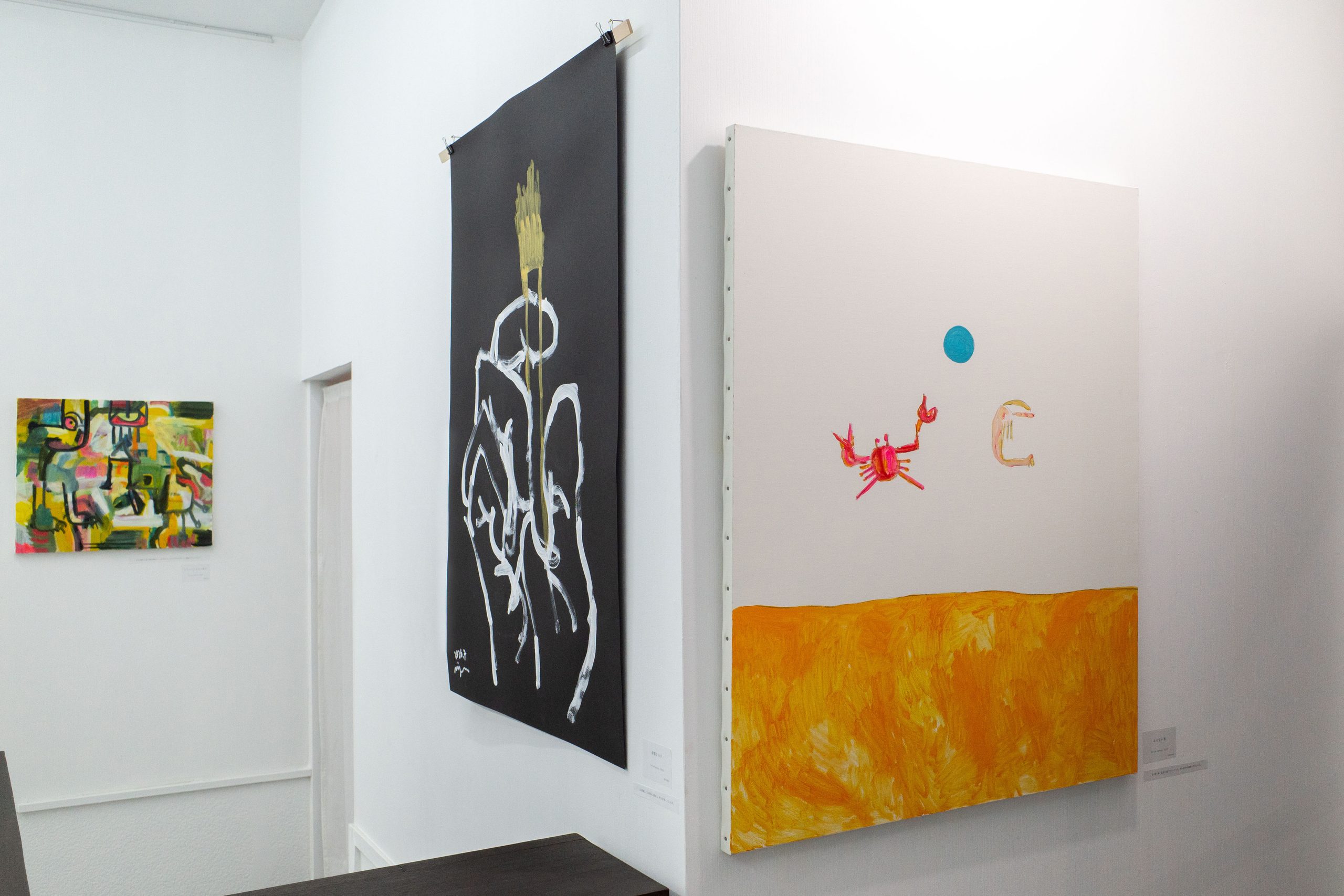
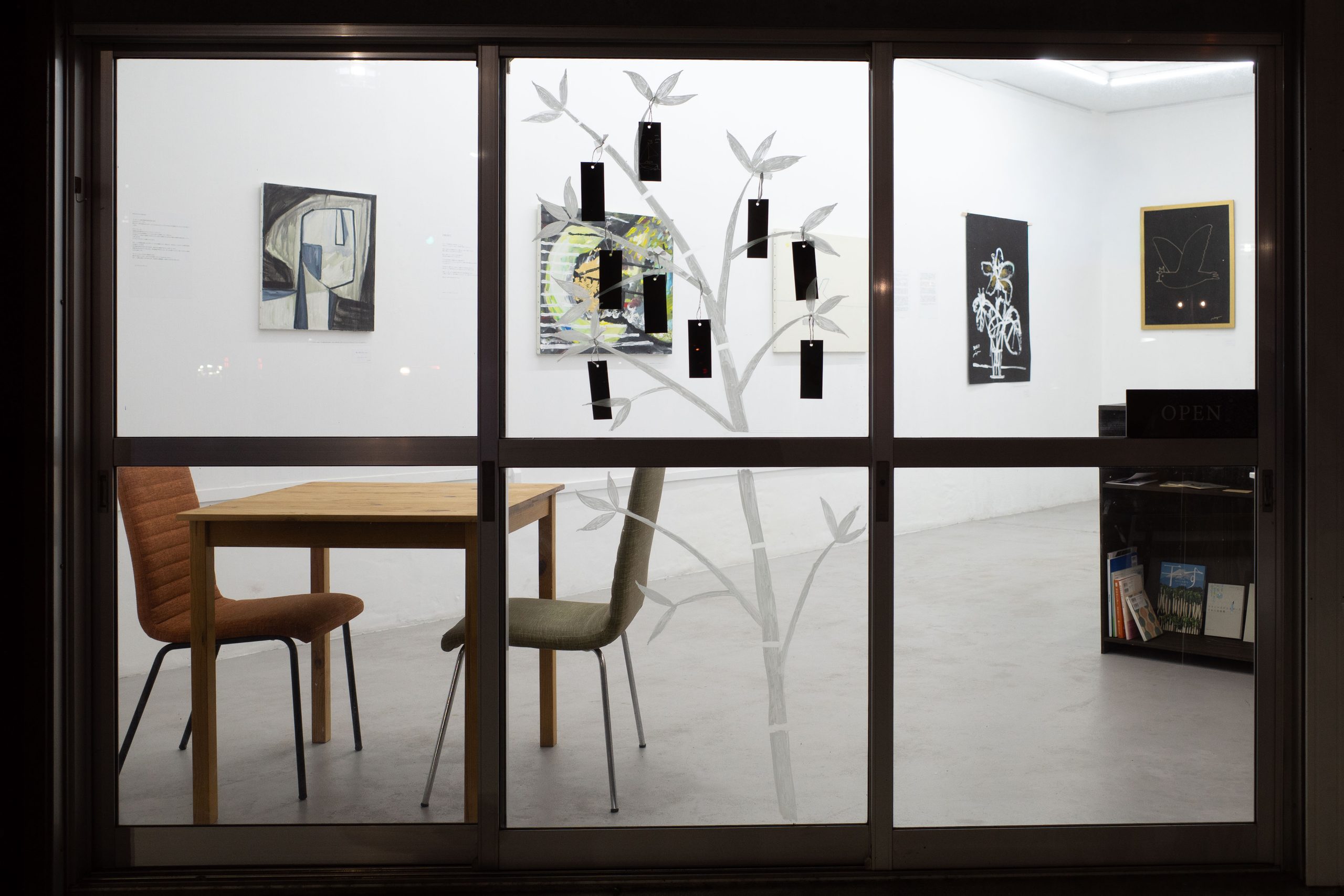
本展覧会は、プレオープン企画第五回「月夜の祈り」となります。
今回もスタッフさんがテーマを考えて、絵を選んで展示してくれました。
会期は、お盆でもある終戦記念日から、旧暦の七夕、満月へと掛かっています。
終戦から満月へと、祈りを届けるような日程です。
銚子は、港町ということもあってお祭りが盛んです。
先祖を迎える盆踊りもあちこちで行われます。
そして日本は世界唯一の被爆国であり、地震多発国です。
自分の先祖だけでなく、生きたくても生きれなかった戦争や災害の犠牲者にも心を向けていたいと思います。
古代中国では、生贄に代わって祭文という祝詞のような言葉を神に捧げました。
命の代わりとして言葉が扱われましたが、絵もそのようなつもりで描いています。
言霊として、東ティモールの戦時中に民間人が作った歌の歌詞を紹介します。
「仲間たち、お偉い方々、僕らが間違ったことをしていても、大地はちゃんと見ているよ」
無名の人々の祈りが月夜に届きますように。
※歌詞はアレックス作。映画「カンタ!ティモール」より。
The exhibition takes place during a meaningful span of time, beginning on the anniversary of the end of World War II—which coincides with Obon—and continuing through the lunar Tanabata to the full moon. The schedule itself feels like a journey of sending prayers into the world, moving from the remembrance of the war’s end to the full moon.
The venue, Choshi City, is a port town with a rich culture of festivals. Around this time, Bon Odori dances to welcome ancestral spirits are held all across the town.
Japan is the only country to have suffered nuclear bombings, as well as a land frequently struck by earthquakes. My wish is to direct my thoughts not only toward my own ancestors, but also toward all the victims of war and disaster whose lives were cut short.
In ancient China, people offered sacred texts called saibun—a form of ritual prayer—to the gods instead of sacrificial offerings. Words were treated as substitutes for life itself, and I approach my paintings with that same intention.
In the spirit of kotodama—the belief in the spiritual power of words—I would like to share the lyrics of a song created by civilians in East Timor during the war:
“Comrades, leaders, even if we do wrong, the earth sees all.”
May the prayers of nameless souls reach the moonlit sky.
*Song lyrics by Alex, from the film “CANTA! TIMOR”